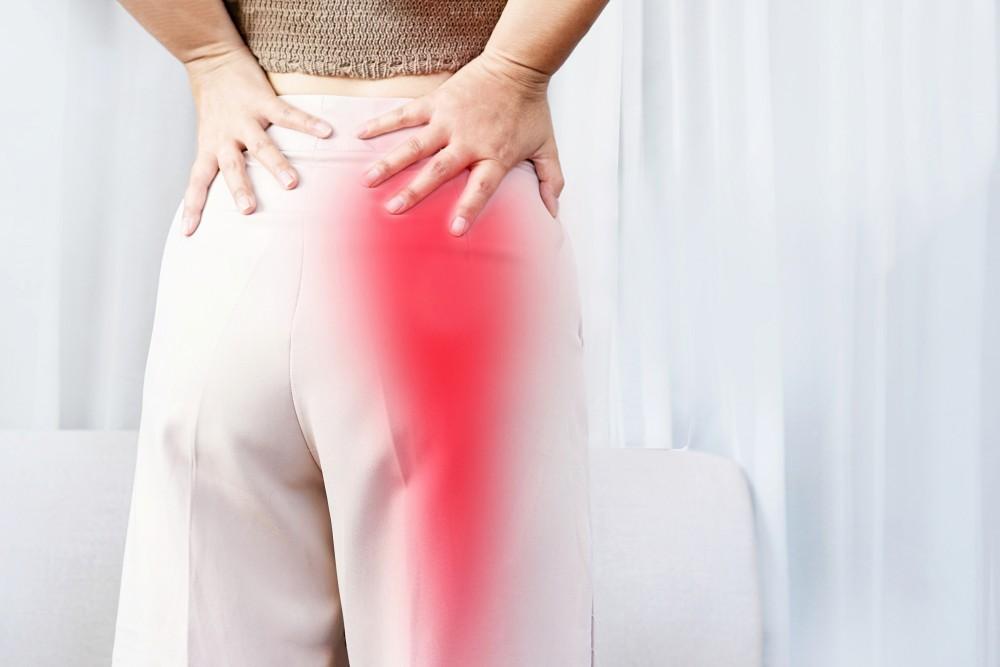
Sciatica and joint pain are two common pain problems that can significantly affect your quality of life. Although severity varies, even mild symptoms can be frustrating when they disrupt sleep, make it hard to sit through the workday, or keep you from activities you enjoy.
If your pain is severe, everyday tasks such as getting dressed, climbing stairs, or walking to your car can feel challenging.
Finding relief starts with understanding what is causing your symptoms and choosing treatment that addresses that cause.
At SEPA Pain & Spine, we have spent 30 years helping people living with sciatica, joint pain, and other painful conditions get the care they need. Our specialists help you understand your symptoms and explore treatments that can make your life more comfortable.
Here, we explain why sciatica and joint pain develop, what to expect from an evaluation, and how treatment can help you return to the activities you enjoy more comfortably.
What causes sciatica?
Sciatica pain is the result of irritation or compression of the sciatic nerve, which originates in your lower spine, and travels through your buttocks and down your legs.
A herniated disc is one of the most common causes. The discs between your spinal bones act as cushions. If some of a disc’s soft inner material pushes through its outer layer, it can irritate or press on a nearby nerve.
Sciatica can also develop from spinal stenosis, which occurs when the spaces around spinal nerves become narrower.
The resulting pain often affects one leg and may feel sharp, burning, or like an electric shock. You might also notice tingling, numbness, or weakness. Some people have relatively mild symptoms, while others find that sitting, moving, or even coughing triggers significant pain.
Why joint pain develops
Joint pain can affect your knees, hips, shoulders, hands, and other areas where bones meet.
Osteoarthritis is a common cause. It develops as cartilage and other joint tissues change and break down over time. The affected joint may become painful, stiff, or swollen, making movement more difficult.
Although osteoarthritis is more common in older adults, younger people can develop it, especially after an injury.
Other causes include rheumatoid arthritis, an autoimmune condition in which the immune system attacks joint tissues. Another cause is bursitis, which occurs when the small, fluid-filled sacs that cushion certain joints become inflamed.
Diagnosing your pain
An evaluation begins with us asking details of your experience. When did the pain begin? Does it stay in one place or travel? What makes it worse, and what have you already tried?
Be specific about how your routine has changed. If you can no longer stand long enough to cook or your pain wakes you several times each night, explain this to help us understand its impact. It’s also useful to discuss treatments you’ve already tried and whether they provided relief.
Your examination may include checking your movement, muscle strength, reflexes, and sensation. We may also recommend an X-ray, MRI, or other testing if the results would help clarify the cause or guide treatment.
How treatment can help
At SEPA Pain & Spine, we develop treatment plans around the condition causing your pain, your medical history, and your needs.
Improving movement with physical therapy
Physical therapy can help you build strength and move more comfortably. For back-related pain, exercises may focus on the muscles that support your spine. For joint pain, therapy may work on strengthening surrounding muscles and improving the joint’s range of motion.
Managing symptoms with medication and injections
Medication may help you manage pain or inflammation, depending on the diagnosis. An epidural steroid injection delivers anti-inflammatory medication near irritated spinal nerves and may help some people with sciatica. A joint injection can reduce inflammation and discomfort in certain painful joints.
Whether you are dealing with a sudden episode of sciatica or joint pain that has gradually limited your activities, SEPA Pain & Spine is the place to turn for specialized care. For 30 years, we have helped people understand their pain and explore treatment options suited to their needs.
Call us today or request an appointment online to discuss your symptoms. We can help you understand your options and take the next step toward relief. Our offices are located in Horsham, Langhorne, Meadowbrook, Chalfont, East Norriton, and Pottstown, Pennsylvania.